Prescription for Inequality: How Patent Monopolies Turn Lifesaving Drugs Into Instruments of Economic Exclusion
When the Medicine Chest Becomes a Toll Booth
There is a particular cruelty embedded in the structure of American pharmaceutical pricing that goes beyond mere market inefficiency. It is not accidental. It is not the unfortunate byproduct of a system otherwise oriented toward human welfare. It is, rather, a deliberate architecture — one that converts biological vulnerability into a revenue stream, and transforms the desperation of the ill into a negotiating disadvantage.
Dr. B.R. Ambedkar spent his life documenting a system in which access to water, land, education, and dignity was rationed by those at the apex of a social hierarchy. The mechanism was different; the logic is identical. When a diabetic in Tulsa, Oklahoma must choose between a vial of insulin and a week's groceries — not because insulin is scarce, but because a patent wall has made its price forty times higher than in Canada — we are witnessing the same logic in a laboratory coat.
The Patent as a Weapon, Not a Shield
The constitutional justification for patent protection is straightforward: grant innovators a temporary monopoly so that the incentive to invest in discovery is preserved, then return that knowledge to the public domain. The theory is defensible. The practice has been hollowed out beyond recognition.
Pharmaceutical corporations have mastered what policy researchers call "evergreening" — the practice of filing successive patents on minor modifications to existing drugs, effectively extending monopoly control for decades beyond the original protection window. A molecule that should enter generic competition after twenty years is instead re-patented through a new coating, a modified release formula, or a marginally adjusted dosage. The drug changes in name only. The price remains stratospheric. The patent clock resets.
Humira, AbbVie's blockbuster rheumatoid arthritis treatment, generated over $200 billion in revenue over two decades. AbbVie filed more than 130 patents related to the drug, constructing what critics describe as a "patent thicket" so dense that generic manufacturers faced years of litigation simply to enter the market. Patients who depended on the medication — many of them on fixed incomes, many of them uninsured or underinsured — had no recourse. The system was functioning exactly as designed.
Insulin: A Century of Science, Rationed Like a Luxury Good
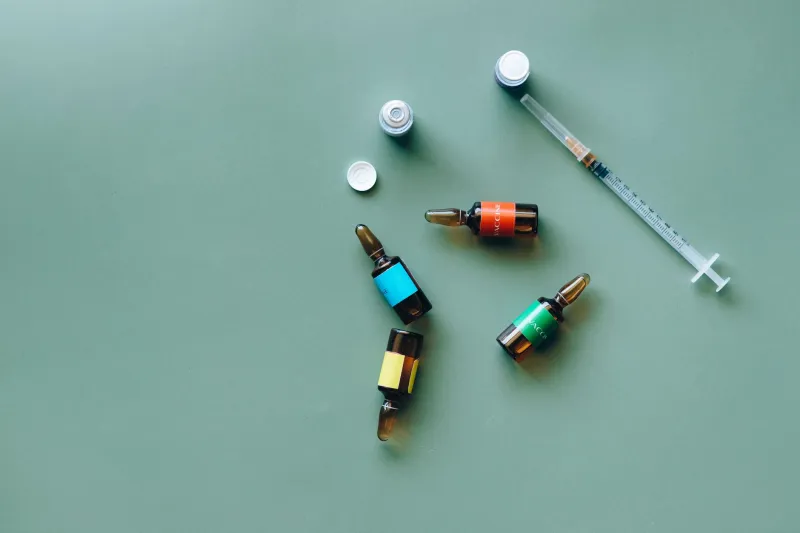
No case illustrates the moral bankruptcy of pharmaceutical patent monopolies more starkly than insulin. Discovered in 1921 and deliberately sold to the University of Toronto for one dollar by its inventors — who believed no one should profit from a medicine necessary for survival — insulin has since become one of the most aggressively monetized drugs in American history.
By the mid-2010s, the list price of insulin in the United States had risen by more than 1,000 percent over two decades. A vial that cost roughly $21 in 1996 was priced above $275 by 2019. The three corporations that dominate American insulin production — Eli Lilly, Novo Nordisk, and Sanofi — coordinated price increases with a synchronicity that antitrust regulators have described as suspicious, though enforcement has remained tepid.
The human cost is not abstract. Alec Smith, a 26-year-old in Minnesota, died in 2017 after rationing his insulin because he had aged off his parents' insurance and could not afford the full dose. His mother, Nicole Smith-Holt, became one of the most visible advocates in the country for insulin pricing reform. Across the country, emergency rooms and social media groups began documenting a phenomenon with a name that should not exist in the wealthiest nation on earth: insulin rationing.
For communities of color — who face disproportionately high rates of Type 2 diabetes due to decades of structural inequality in food access, environmental exposure, and healthcare — the insulin crisis is not merely a pricing problem. It is the culmination of layered disadvantage, each stratum reinforcing the next.
Generic Suppression and the Regulatory Labyrinth
The patent wall is only one mechanism of exclusion. Even when patents expire, the path to generic competition is obstructed by a second system of barriers: regulatory complexity, pay-for-delay agreements, and the abuse of FDA approval processes.
Pay-for-delay — sometimes called "reverse payment settlements" — occurs when a brand-name manufacturer pays a generic competitor to delay market entry, rather than litigate a patent challenge to conclusion. The arrangement is straightforward: the brand-name company preserves its monopoly, the generic manufacturer receives a payment that far exceeds what it might earn from actually competing, and the patient continues to pay elevated prices indefinitely. The Federal Trade Commission has estimated that such agreements cost American consumers billions of dollars annually. Congress has repeatedly declined to ban them outright.
The result is a market that performs competition while systematically preventing it — a theater of capitalism in which the set pieces are arranged to guarantee a predetermined outcome.
The Grassroots Prescription: Organizing Against the Cartel
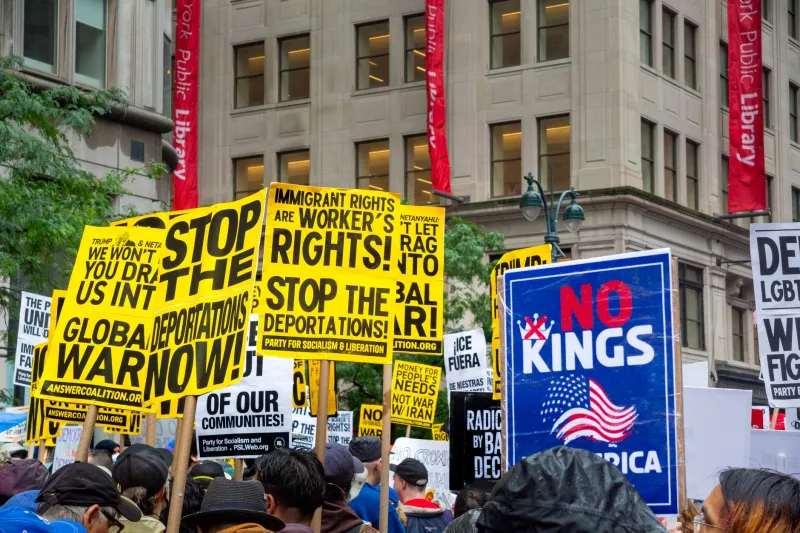
The communities most harmed by pharmaceutical monopoly pricing have not waited passively for legislative relief. Across the country, organized resistance has taken several forms, each drawing on the tradition of collective action that Dr. Ambedkar identified as the indispensable precondition for any meaningful reform.
Drug importation caravans — organized bus trips to Canada and Mexico where patients purchase insulin and other medications at a fraction of American prices — have become both a practical survival strategy and a political demonstration. Groups like Insulin Help USA and the nonprofit Mutual Aid Diabetes have built distribution networks that operate in the spaces where the formal healthcare system has abdicated responsibility.
Price transparency activism has pushed several states to require pharmaceutical companies to disclose manufacturing costs alongside list prices, stripping away the opacity that monopoly pricing depends upon. California's prescription drug pricing transparency law, passed in 2017, was among the first of its kind and has since inspired similar legislation in more than a dozen states.
At the federal level, advocates secured a partial victory in the Inflation Reduction Act of 2022, which granted Medicare the authority to negotiate drug prices for the first time — a concession that the pharmaceutical lobby fought for decades. The provision is narrow, the implementation slow, and the carve-outs numerous. But it represents a fracture in a wall that was once considered impenetrable.
The Ambedkarite Lens on Medical Monopoly
Dr. Ambedkar understood that the most sophisticated forms of oppression do not announce themselves as such. They arrive dressed in the language of merit, innovation, property rights, and contractual freedom. The pharmaceutical patent system speaks fluently in all four registers. It presents itself as the guardian of scientific progress, the protector of intellectual labor, the engine of medical discovery.
What it actually guards is profit. What it actually protects is market position. What it actually drives is the extraction of maximum value from the minimum viable regulatory compliance.
The communities that bear the heaviest burden of this system — the uninsured, the underinsured, the working poor, the chronically ill, the communities of color who face compounding medical disadvantage — are the same communities that have always been positioned at the bottom of every hierarchy that power has constructed. The drug is different. The dynamic is not.
Organizing against pharmaceutical monopoly is not a single-issue campaign. It is an extension of the same struggle for the democratization of basic necessities that has animated every justice movement this country has produced. The medicine cabinet, like the ballot box and the workplace and the lending office, is a site of power. And sites of power, as Ambedkar taught us, do not yield without organized, sustained, collective pressure.
The prescription for this particular illness is not a drug. It is solidarity.